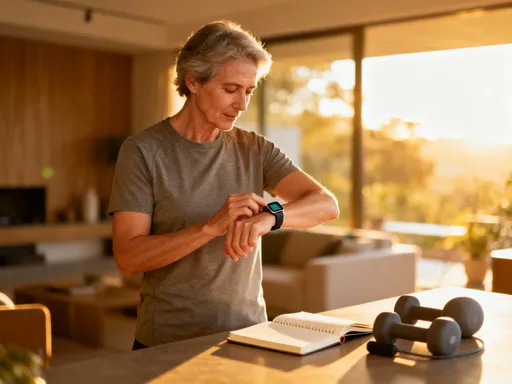
Why I Track My Health Daily—And How It Slowed My Aging
You’ve probably heard anti-aging advice focused on creams or workouts, but what if the real secret is knowing your body? I started monitoring key health markers five years ago—not because I was sick, but because I wanted to age better. What changed? More energy, fewer sick days, and real clarity on what actually works. This is a practical look at how daily health tracking can become your most powerful anti-aging tool. It’s not about chasing youth, but about preserving function, vitality, and resilience. The truth is, aging begins in silence—long before we notice visible changes. By listening early, we gain the power to respond wisely.
The Wake-Up Call: Why Aging Started Feeling Real
For years, I believed aging was something that happened later—something marked by gray hair, stiff joints, or retirement parties. But in my early 40s, I began to notice subtle shifts that no one had warned me about. I’d wake up tired despite eight hours of sleep. A simple walk up the stairs left me slightly breathless, where once it hadn’t. Recovery from a cold took longer. My skin felt drier, my focus hazier by mid-afternoon. These weren’t dramatic symptoms, but a slow erosion of the energy and ease I’d once taken for granted.
At first, I dismissed it as stress or busy motherhood. But the patterns persisted. I realized I wasn’t just managing a hectic schedule—I was experiencing the early signs of biological aging. This wasn’t about vanity; it was about function. I wanted to be strong enough to play with my kids, clear-minded enough to manage my home, and resilient enough to handle life’s demands without constant fatigue. That moment of clarity became my turning point: I decided to stop ignoring the signals and start paying attention.
What changed wasn’t a single decision, but a shift in mindset. Instead of waiting for a diagnosis or a crisis, I chose prevention. I began to see health not as the absence of illness, but as an active practice of awareness. Monitoring my body wasn’t about fear—it was about respect. It was a way to honor the machine I live in, to understand its rhythms, and to support it before problems grew too large to ignore. This quiet wake-up call led me to daily health tracking, not as a medical necessity, but as a form of long-term self-care.
What Is Health Monitoring, Really? (And Why It’s Not Just for the Sick)
When most people hear “health monitoring,” they think of doctor visits, blood tests, or chronic illness management. But in everyday life, health monitoring is much simpler. It’s the regular observation of how your body feels, functions, and responds to lifestyle choices. It’s noticing that you sleep better when you avoid screens after 8 p.m., or that your energy dips two hours after eating pasta. These small observations, when recorded consistently, form a personal health narrative—one that reveals trends long before any formal diagnosis is needed.
Think of it like checking the dashboard of a car. You don’t wait for the engine to fail before looking at the fuel gauge or temperature light. Similarly, your body gives off signals every day—morning stiffness, mood changes, digestion issues, energy levels—that reflect your internal state. When tracked over time, these signals help you spot imbalances early. For example, a gradual increase in resting heart rate over several weeks might indicate poor recovery, chronic stress, or dehydration—issues that, if addressed early, can be reversed with simple changes.
The real power of monitoring lies in its preventive nature. It transforms health from a reactive experience—waiting until you feel unwell—to a proactive one. You begin to see yourself not as a passive recipient of aging, but as an active participant in your well-being. And the best part? You don’t need to be sick to benefit. In fact, the earlier you start, the more control you gain. Monitoring isn’t about obsessing over numbers; it’s about building awareness, spotting patterns, and making informed choices before small issues become big problems.
The Key Markers That Matter Most for Aging Well
Not all health data is equally useful. To slow biological aging, it’s important to focus on the markers that have the strongest scientific link to longevity and vitality. These aren’t just numbers on a screen—they are reflections of your body’s internal environment. The most impactful ones include sleep quality, resting heart rate, blood pressure trends, body composition, and glucose response. Each of these plays a role in inflammation, cellular repair, and metabolic health—all key drivers of how fast or slow we age.
Sleep quality is foundational. Poor or inconsistent sleep disrupts hormone balance, weakens immunity, and accelerates cellular aging. Tracking sleep duration and continuity helps identify habits that support or harm rest. Resting heart rate is another powerful indicator. A lower, stable resting heart rate generally reflects good cardiovascular fitness and efficient heart function. A rising trend, even within the “normal” range, can signal stress, overtraining, or illness brewing beneath the surface.
Blood pressure trends matter because sustained high levels strain blood vessels and increase the risk of cognitive decline and heart issues over time. Monitoring it at home allows you to see how diet, stress, and activity affect it day to day. Body composition—specifically the ratio of muscle to fat—is crucial because muscle mass naturally declines with age. Losing muscle leads to weakness, slower metabolism, and higher frailty risk. Tracking changes helps you adjust nutrition and exercise to preserve strength.
Finally, glucose response awareness is gaining attention as a key factor in aging. Even if you don’t have diabetes, frequent blood sugar spikes from refined carbs can lead to insulin resistance, inflammation, and accelerated aging. Paying attention to how you feel after meals—whether you crash, feel sluggish, or stay steady—offers insight into your metabolic health. Together, these markers form a picture of your biological age, not just your chronological one.
Simple Tools That Make Tracking Actually Doable
One of the biggest barriers to health monitoring is the belief that it’s complicated or time-consuming. But the truth is, you don’t need advanced medical equipment to get started. The key is consistency, not complexity. There are now many user-friendly tools that make tracking accessible, whether you prefer digital or analog methods. The goal isn’t perfection—it’s progress through regular observation.
Wearable fitness trackers, such as common wrist-based devices, are among the most practical tools. They automatically record sleep duration and quality, resting heart rate, daily steps, and even stress levels through heart rate variability. These devices require minimal effort—just wearing them—and provide a continuous stream of data. Over time, you begin to see patterns, like how late dinners affect your sleep or how a stressful workday raises your resting heart rate the next morning.
Smart scales are another helpful option. Unlike traditional scales that only show weight, these can estimate body fat percentage, muscle mass, and hydration levels. Tracking these metrics weekly—not daily—helps you see trends in body composition. This is especially valuable for women over 40, as metabolism slows and fat distribution shifts. Seeing muscle loss early allows you to adjust protein intake and strength training to counteract it.
For those who prefer low-tech methods, journaling remains a powerful tool. A simple notebook or digital note can capture daily observations: energy levels, mood, digestion, food intake, and sleep quality. You might note, “Felt sluggish after lunch—ate pasta and bread,” or “Woke up refreshed—went to bed by 10 p.m. and no wine.” Over time, these notes reveal cause-and-effect relationships. The key is to start small—pick one or two markers, like sleep and energy, and build from there. The easier the system, the more likely you are to stick with it.
How I Use Data to Adjust My Daily Routine
Collecting data is only half the battle. The real value comes from using it to make smarter daily choices. Over the past five years, my tracking habits have transformed how I structure my day. I no longer make decisions based on guesswork or habit—I rely on what the data tells me about my body’s needs. This has led to more energy, better moods, and a stronger sense of control over my health.
For example, I once noticed my resting heart rate was consistently 8–10 beats higher than usual for three mornings in a row. Normally, it hovers around 58, but it had risen to 68. I wasn’t sick, but I had been traveling, drinking less water, and sleeping poorly. Instead of pushing through with my usual intense workout, I chose a gentle yoga session and prioritized hydration and early bedtime. By the fourth day, my heart rate returned to normal. That small decision—guided by data—prevented burnout and supported recovery.
Another example involves my energy after meals. I used to eat a large bowl of oatmeal for breakfast, thinking it was healthy. But my journal showed a consistent energy crash by 10:30 a.m. After adjusting by adding more protein and healthy fats—like nuts, seeds, and Greek yogurt—I noticed my energy stayed steady until lunch. This wasn’t about eliminating carbs, but about balance. The data helped me personalize my diet in a way that worked for my metabolism.
Sleep tracking has also changed my habits. I discovered that even one glass of wine in the evening reduced my deep sleep by nearly 20%. While I still enjoy a drink occasionally, I now avoid it on weeknights. I also set a “digital curfew” at 8 p.m., which improved my sleep onset time. These aren’t rigid rules—they’re informed choices. Each adjustment is small, but over time, they add up to significant improvements in how I feel and function.
When to Seek Professional Insight—And Why Data Helps
While self-tracking empowers you to take charge of your health, it does not replace professional medical care. There are times when patterns in your data signal the need for expert evaluation. For instance, a steadily rising blood pressure trend, unexplained weight loss, or persistent fatigue despite lifestyle improvements should be discussed with a healthcare provider. The advantage of tracking is that you bring more than a vague complaint—you bring a record of your body’s behavior over time.
Sharing trend data with your doctor transforms the conversation. Instead of saying, “I feel tired sometimes,” you can say, “My resting heart rate has been elevated for two weeks, I’ve been averaging only five hours of deep sleep, and my energy crashes after meals.” This level of detail helps your provider identify potential issues earlier and make more informed recommendations. It also strengthens the partnership between you and your healthcare team, making care more personalized and effective.
I learned this firsthand when my fasting glucose readings, tracked via a continuous monitor, showed occasional spikes despite a healthy diet. My doctor reviewed the data and ordered a follow-up test, which revealed early signs of insulin resistance. Because we caught it early, we were able to address it with dietary changes and increased physical activity—no medication needed. This experience reinforced that monitoring and medicine are not opposites; they are allies. One gives you daily insight, the other gives you clinical expertise. Together, they offer a more complete picture of your health.
The goal of tracking is not to diagnose yourself, but to detect changes early and seek help when appropriate. It’s about being proactive, not self-reliant to a fault. By combining personal awareness with professional guidance, you create a powerful defense against preventable health decline.
Building a Sustainable Anti-Aging Mindset Through Awareness
The most profound change I’ve experienced from daily health tracking isn’t just physical—it’s mental. Over time, the habit of paying attention has reshaped how I think about aging. I no longer see it as an inevitable decline, but as a process I can influence. Each morning check-in, each logged meal, each night of sleep tracked reinforces a mindset of agency. I am not powerless against time. I can support my body, respect its limits, and respond to its needs with intention.
This mindset shift is perhaps the most powerful anti-aging tool of all. When you’re aware, you make better choices—not out of fear, but out of care. You choose a walk over scrolling because you know movement improves your sleep. You pass on second helpings because you’ve seen how bloating affects your energy. You prioritize rest because you’ve witnessed how recovery fuels performance. These choices aren’t restrictions—they’re acts of self-respect.
And the benefits compound. Better sleep improves mood, which makes exercise easier, which supports metabolism, which stabilizes energy, which enhances focus. It’s a positive feedback loop fueled by awareness. Over time, this leads to slower biological aging—measured not just in how you look, but in how you feel and function. You’re not trying to look 25 at 50. You’re aiming to feel strong, clear, and vibrant at every age.
Daily health tracking is not a trend or a quick fix. It’s a long-term commitment to self-knowledge. It’s about listening to your body before it has to shout. It’s about making small, consistent choices that add up to a longer, healthier life. Aging is inevitable, but how we age is not. By tracking your health, you gain the insights needed to age with strength, dignity, and vitality. And that, more than any cream or supplement, is the true secret to lasting well-being.