How I Rebuilt My Strength After Illness — And Why Prevention Matters More Than Ever
I used to think recovery was just about healing—it’s actually about rebuilding. After a serious health setback, I learned that rehabilitation isn’t the end, but the beginning of lasting wellness. This journey taught me how daily choices can prevent future issues. What surprised me? The strongest part of recovery wasn’t my body—it was my mindset. If you're healing or want to avoid ending up there, these real-life lessons might help you stay stronger, longer. Always consult your doctor, though—this is what worked for me, not a substitute for medical advice.
The Wake-Up Call: When Health Takes a Turn
There comes a moment in life when the body sends a message too loud to ignore. For me, it wasn’t a sudden collapse or dramatic emergency—it was a gradual slowing down, a loss of energy that no amount of coffee or rest could fix. Simple tasks like climbing stairs or carrying groceries began to feel overwhelming. I dismissed it at first, blaming stress or aging. But when even basic routines became exhausting, I knew something deeper was wrong.
After several doctor visits and tests, I received the news: my body had been under prolonged strain, and it could no longer compensate. The diagnosis itself wasn’t as important as what followed—the realization that health isn’t a given. It’s a balance, easily disrupted and difficult to restore. Emotionally, the experience was isolating. I felt frustrated, afraid, and oddly guilty, as if I’d failed in my responsibility to care for myself.
What shifted everything was understanding that recovery wasn’t just about returning to how I was before—it was about becoming someone who could maintain wellness long-term. This wasn’t just rehabilitation; it was re-education. I began to see that healing wasn’t passive. It required awareness, effort, and above all, a willingness to change habits that had contributed to the decline. The turning point wasn’t a single event; it was the decision to stop overlooking warning signs and start building resilience.
At that time, I didn’t yet understand the concept of prevention in practical terms. I thought of it as something distant, relevant to people with family histories of illness or those engaging in risky behaviors. But I learned that prevention isn’t only for the genetically predisposed—it’s for everyone, especially those who’ve already faced a health challenge. Once the body has been stressed, it becomes more vulnerable. That vulnerability is not a life sentence, but it is a signal: small, consistent actions now can prevent larger problems later.
Rehabilitation, I discovered, wasn’t just the medical treatment I received. It was the daily choice to follow through, to listen to my body, and to respect its limits. It was also the beginning of a new relationship with my own health—one based not on fear, but on understanding and intention.
What Rehabilitation Really Means (Beyond Physical Therapy)
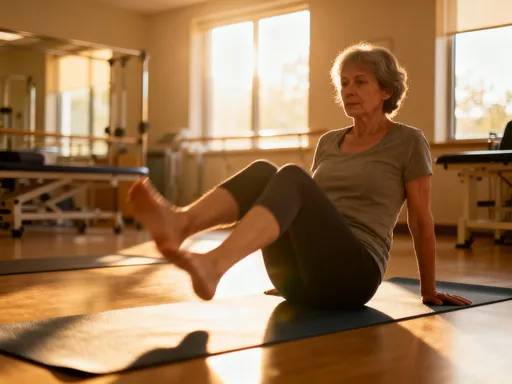
When most people hear the word rehabilitation, they picture physical therapy—stretching, strengthening, perhaps walking with support. While those elements are often part of it, true rehabilitation goes far beyond physical recovery. At its core, rehabilitation is about restoring function, independence, and confidence. It’s not just learning to move again; it’s relearning how to live without constant worry about your body failing you.
For many, especially women between 30 and 55, this phase comes at a time already filled with responsibilities—managing households, caring for children or aging parents, and often maintaining a career. Adding a health setback into that mix can feel overwhelming. That’s why rehabilitation must include emotional and mental support, not just physical exercises. Without addressing stress, sleep disruptions, or the anxiety that often follows illness, even the most disciplined physical routine may fall short.
One common misconception is that rehabilitation is only necessary after major injuries or surgeries. In reality, even minor health episodes—such as prolonged fatigue, recurring pain, or a virus that lingers—can benefit from structured recovery efforts. The body doesn’t distinguish between ‘serious’ and ‘minor’ setbacks in the same way the mind does. If a health issue disrupts daily life, the recovery process matters, regardless of how others perceive its severity.
Another important truth: early intervention in rehabilitation can significantly reduce the risk of long-term complications. Studies have shown that individuals who engage in supervised recovery programs after illness are more likely to return to normal activities and less likely to experience relapses. This isn’t about rushing back to full capacity—it’s about progressing safely, with guidance. The goal is not speed, but sustainability.
Rehabilitation also provides a rare opportunity to pause and observe. During this time, many people notice patterns they hadn’t seen before—how poor sleep affects energy, how emotional stress triggers physical symptoms, or how diet influences mood and recovery speed. These insights become the foundation for prevention. When rehabilitation is approached as a holistic process, it does more than restore function—it teaches awareness, which is one of the most powerful tools for staying well.
Why Recovery Is the Perfect Time to Prevent Future Problems
Medical professionals often speak of secondary prevention—the effort to stop a health issue from recurring after the first episode. This phase is critical, yet often overlooked. Once the immediate crisis has passed, many people slip back into old routines, believing that feeling better means they’re fully healed. But the period immediately following recovery is actually one of the best times to build new, protective habits—because motivation is high, and the memory of illness is still fresh.
When the body has been through a health challenge, it remains more susceptible to future problems. Inflammation levels may be elevated, immune function can be compromised, and chronic stress from the experience may linger. If no changes are made, the risk of recurrence increases. That’s why recovery isn’t complete when symptoms disappear; it’s complete when the conditions that led to the illness have been addressed.
During my own recovery, I adopted several small but meaningful changes. I established a consistent daily routine—waking and sleeping at the same time, even on weekends. This may seem simple, but it helped regulate my body’s internal clock, improving sleep quality and energy levels. I also began incorporating mindful movement, such as gentle stretching and short walks, not as exercise for weight loss, but as a way to reconnect with my body and build strength gradually.
Sleep became a priority. I used to sacrifice rest for productivity, thinking I could ‘catch up’ later. But I learned that sleep isn’t a luxury—it’s a biological necessity. During deep sleep, the body repairs tissues, balances hormones, and strengthens the immune system. By protecting seven to eight hours each night, I gave my body the time it needed to heal. I also reduced screen time before bed and created a calming evening ritual, which made falling asleep easier.
Nutrition was another area I reevaluated. I didn’t adopt a restrictive diet, but I focused on real, whole foods—fruits, vegetables, lean proteins, and healthy fats. I paid attention to hydration, aiming for at least eight glasses of water a day. These changes weren’t drastic, but they were consistent. Over time, they became normal. And that’s the key: prevention doesn’t require perfection. It requires repetition.
What made the difference wasn’t any single habit, but the combination of them. Together, they formed a protective network—each one supporting the others. The walk in the morning improved my mood, which helped me make better food choices. Better sleep gave me the energy to stay active. And staying active reduced stress, which supported deeper sleep. It became a positive cycle, one that continues to this day.
Building a Daily Prevention Routine That Actually Sticks
One of the biggest challenges in long-term wellness is consistency. It’s easy to start strong after a health scare, but motivation fades. The real test comes in the months and years that follow, when life gets busy and the memory of illness begins to blur. That’s why building a prevention routine that fits into real life—not an idealized version of it—is essential.
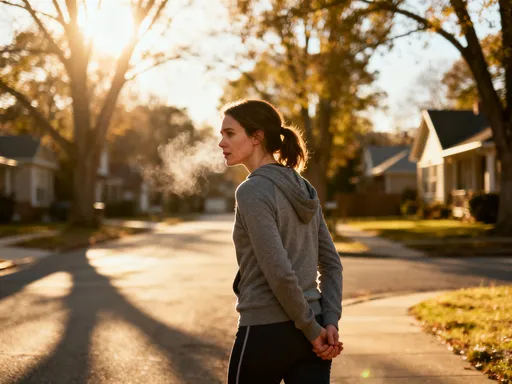
I focused on three pillars: movement, nutrition, and stress management. For movement, I committed to short, daily walks. Ten minutes was my starting point. I didn’t track steps or calories—I just moved. As my stamina improved, I extended the walks to twenty, then thirty minutes. The rhythm of walking became meditative. I noticed changes in nature, listened to birds, and allowed my thoughts to wander. It wasn’t just exercise; it was a mental reset.
Nutrition wasn’t about counting points or banning foods. Instead, I adopted a ‘plate model’: half filled with vegetables, a quarter with lean protein, and a quarter with whole grains. I kept healthy snacks on hand—sliced apples with almond butter, Greek yogurt, or a handful of nuts—so I wouldn’t reach for processed options when hungry. Meal prep on weekends saved time and reduced decision fatigue during the week.
Hydration was another quiet but powerful habit. I kept a glass water bottle on my kitchen counter and refilled it three times a day. I also started drinking herbal tea in the evening, which helped me stay hydrated and signaled the start of winding down. Over time, I noticed that my skin looked clearer, my energy was more stable, and I felt less bloated.
Stress management was the most unexpected game-changer. I began with simple breathing exercises—inhaling for four counts, holding for four, exhaling for six. Just two minutes a day made a noticeable difference in how I responded to daily pressures. I also started a gratitude journal, writing down three things I was thankful for each night. At first, it felt forced, but over time, it trained my mind to notice the good, even on hard days.
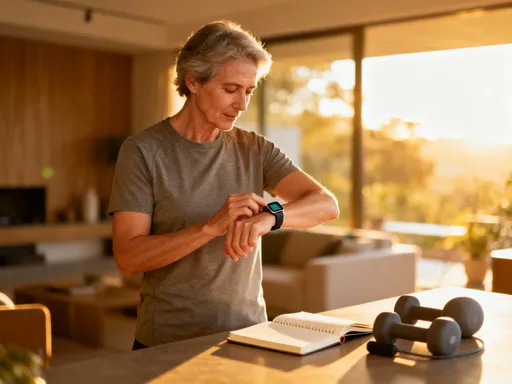
To stay consistent, I used a simple habit tracker. I printed a monthly calendar and placed a checkmark for each day I completed my core habits. Seeing the chain grow was motivating. Missing a day wasn’t failure—it was information. I’d ask myself: What got in the way? Was I too tired? Too busy? The answer helped me adjust, not abandon, my routine.
The most important lesson was flexibility. Life changes—holidays, travel, family needs—and routines must adapt. I stopped aiming for perfect adherence and focused instead on resilience. If I missed a walk, I took the stairs. If I ate out, I chose grilled over fried. The goal wasn’t rigidity; it was continuity.
The Hidden Role of Mindset in Healing and Staying Well
If the body is the engine of health, the mind is the steering wheel. Attitude shapes recovery in ways that are both subtle and profound. A positive, patient mindset doesn’t magically cure illness, but it does influence outcomes. Research has shown that individuals with higher levels of emotional resilience tend to experience faster recovery times, reduced pain perception, and stronger immune responses.
During rehabilitation, I had days when progress felt invisible. I couldn’t see the cellular repair happening inside my body, only the fatigue and frustration. What helped me stay the course was setting small, achievable goals. Instead of focusing on how far I had to go, I celebrated how far I’d come. Walking to the mailbox without stopping. Carrying a laundry basket up the stairs. These milestones may seem minor, but they built confidence.
I also practiced self-compassion. I stopped criticizing myself for needing rest or asking for help. I reminded myself that healing isn’t linear—it has ups and downs. On difficult days, I used affirmations: 'I am doing my best. My body is healing. I am not alone.' These phrases weren’t magical, but they softened the inner critic and created space for patience.
Journals became a safe place to process emotions. I wrote about my fears, my hopes, and the small victories. Sometimes, I listed things that brought me comfort: a warm cup of tea, a phone call with a friend, sunlight through the window. Over time, this practice helped me recognize patterns in my mood and energy, allowing me to make adjustments before I felt overwhelmed.
Science supports the mind-body connection. Chronic stress increases cortisol, which can suppress immune function and promote inflammation. Conversely, positive emotions and relaxation techniques have been linked to lower inflammation markers and improved heart health. While these effects may seem small individually, over time they add up. Emotional wellness isn’t a side benefit of recovery—it’s a core component of prevention.
Gratitude, in particular, played a powerful role. On days when I felt discouraged, I’d list five things I could still do—breathe deeply, hug my child, taste food, hear music, feel the sun. This simple shift in focus didn’t erase the struggle, but it restored perspective. Healing isn’t just about fixing what’s broken; it’s about appreciating what still works.
When and How to Work With Professionals for Long-Term Success
No journey to wellness should be walked alone. While personal effort is essential, professional guidance ensures safety, accuracy, and effectiveness. During my recovery, I worked with several experts: my primary care doctor, a physical therapist, and a registered dietitian. Each played a unique role in helping me rebuild.
My doctor monitored my progress, ordered follow-up tests, and adjusted treatments as needed. Regular check-ins provided reassurance and accountability. I learned to prepare for appointments by writing down questions and symptoms, which made our conversations more productive. I also became comfortable saying, 'I don’t understand—can you explain that again?' This simple phrase protected me from making decisions based on incomplete information.
The physical therapist designed a personalized movement plan that matched my abilities. She taught me proper form, prevented overexertion, and celebrated my progress. Her support was especially valuable in the early stages, when I wasn’t sure what my body could handle. Working with her helped me regain strength without fear of injury.
The dietitian reviewed my eating habits and offered realistic suggestions. She didn’t impose a strict meal plan but helped me make better choices within my lifestyle. For example, she suggested adding protein to breakfast to stay full longer, which reduced mid-morning snacking. These small, science-based tips made a big difference.
I also considered working with a wellness coach, though I chose to focus on self-guided habits first. For others, especially those managing chronic conditions or prolonged fatigue, a coach can provide structure and motivation. The key is finding someone qualified—not someone selling a quick fix, but someone who listens, educates, and empowers.
Recognizing warning signs is another reason to stay connected to professionals. Fatigue that doesn’t improve with rest, persistent pain, sudden changes in mood or sleep—these are not normal. They’re signals. Ignoring them can lead to setbacks. I learned to trust my instincts and speak up when something felt wrong. Prevention includes proactive check-ups, not just waiting for symptoms to return.
It’s important to emphasize that self-care complements, but never replaces, professional care. No amount of walking, journaling, or healthy eating can substitute for medical treatment when it’s needed. The goal is integration—using daily habits to support, not bypass, expert advice.
Living Well: Making Prevention a Lifestyle, Not a Chore
Years after my recovery, I no longer think of wellness as a project with an end date. It’s a continuous practice, woven into the fabric of daily life. I’ve learned that staying healthy isn’t about achieving peak performance every day. It’s about consistency, awareness, and self-respect. It’s choosing water over soda not because I’m denying myself, but because I value how I feel afterward.
Life continues to change. I’ve traveled, faced new stresses, celebrated milestones, and navigated family transitions. Through it all, my routine has adapted. When I’m away from home, I find local parks for walks. When work is busy, I prioritize sleep over extra tasks. When I feel stressed, I return to breathing exercises or journaling. The habits remain, even as their form shifts.
One of the most freeing realizations was that I don’t have to be perfect. Missing a habit doesn’t ruin progress. What matters is returning to it. Wellness is not a destination; it’s a path. And like any path, it has detours and rest stops. The goal isn’t to avoid them, but to keep walking.
If you’re in the midst of recovery, or simply want to protect your health before a crisis occurs, know this: small actions matter. Drinking more water. Taking a short walk. Speaking kindly to yourself. These aren’t dramatic changes, but they are powerful. Over time, they build resilience—the kind that doesn’t just help you survive a health challenge, but thrive beyond it.
Rehabilitation can be the beginning of a stronger life, not just a return to the old one. It offers a rare opportunity to reset, to learn, and to grow. With support from professionals, the right mindset, and daily preventive habits, wellness becomes sustainable. It’s not about fear of illness, but care for yourself. And that care, expressed through everyday choices, is the most powerful medicine of all. Always consult your doctor to tailor these insights to your personal health needs.