Glow From Within: How Movement Transformed My Skin Routine
Ever wonder why some people have that unbeatable natural glow? It’s not just skincare products. I discovered a game-changer—exercise. After years of chasing perfect skin with creams and serums, I found real improvement came when I started moving consistently. It wasn’t overnight, but my complexion cleared, radiated, and felt healthier. Turns out, what you do with your body deeply impacts your skin. Let me share how blending fitness into my daily life became the most effective skincare hack I’ve ever used. This isn’t about extreme workouts or trendy detoxes—it’s about consistent, mindful movement that supports your skin from the inside out. Science confirms it, and personal experience proves it: when you move with purpose, your skin reflects that vitality.
The Skin-Fitness Connection: More Than Just Sweat
Many assume glowing skin comes solely from high-end moisturizers or dermatologist-recommended treatments. While topical care plays a role, the foundation of radiant skin lies deeper—within the body’s internal systems. Physical activity directly influences skin health through improved blood circulation, a process that delivers oxygen and essential nutrients to skin cells. When blood flows efficiently, it carries away waste products like free radicals and toxins, helping maintain a clear, even complexion. This increased circulation is not just a temporary flush after a workout; it supports long-term cellular renewal and repair.
Oxygenated blood is crucial for collagen production, the protein responsible for skin’s firmness and elasticity. As we age, collagen naturally declines, leading to fine lines and sagging. However, regular exercise has been shown to stimulate fibroblasts, the cells that produce collagen, thereby slowing visible signs of aging. A study published in the journal Age found that adults who engaged in consistent physical activity had dermal layers resembling those of much younger individuals. This doesn’t mean exercise reverses aging completely, but it does support the skin’s structural integrity over time.
One common misconception is that sweat causes breakouts. In reality, sweat itself is mostly water and electrolytes and does not clog pores. The issue arises when sweat mixes with oil, dirt, or bacteria on the skin’s surface—especially if one wears tight, non-breathable clothing or fails to cleanse after a workout. When managed properly, sweating can actually help clear impurities from pores. Sweat contains small amounts of antimicrobial peptides like dermcidin, which may protect against certain skin infections. Thus, rather than avoiding sweat, the key is to support the skin before and after exercise with proper hygiene and hydration.
My Skincare Struggles Before Movement Entered the Picture
For years, I believed flawless skin was a result of discipline in my bathroom routine. I invested in serums with vitamin C, retinol creams for nighttime, and weekly exfoliating masks. My medicine cabinet looked like a boutique skincare boutique. Yet, despite this meticulous regimen, my skin often felt dull, uneven, and reactive. I experienced occasional breakouts along the jawline, especially during stressful weeks, and my complexion lacked the luminosity I admired in others. I blamed my genetics, the weather, or even my diet—but never considered my sedentary lifestyle.
My days were spent mostly seated—working at a desk, managing household tasks, and winding down with evening television. Exercise was occasional, usually reserved for the start of a new year or before a special event. I treated movement as a chore, not a necessity. It wasn’t until a routine check-up that my doctor gently pointed out how physical inactivity could be affecting more than just my energy levels. She explained that chronic low-grade inflammation, often worsened by sitting for long periods, could manifest in the skin as redness, sensitivity, and delayed healing.
That conversation sparked a shift. I began reading about the connection between lifestyle and skin health and realized that I had been addressing symptoms, not root causes. I wasn’t giving my body the tools it needed to repair and regenerate at a cellular level. Topical products could only do so much. I needed to support my skin from within—through better sleep, stress management, and yes, regular movement. This wasn’t about achieving a certain look overnight; it was about creating sustainable habits that allowed my skin to thrive naturally.
Why Exercise Is the Ultimate Natural Skincare Tool
Exercise functions as a full-body wellness system, and its benefits extend far beyond weight management or muscle tone. One of its most profound effects is reducing systemic inflammation, a silent contributor to many chronic conditions—including skin issues like acne, rosacea, and eczema. When the body remains inactive, inflammatory markers such as C-reactive protein (CRP) can rise. Regular physical activity, even moderate forms like walking, helps lower these markers, creating a more balanced internal environment where the skin can heal and renew.
Hormonal balance is another critical factor. Stress triggers the release of cortisol, a hormone that, in excess, increases oil production in the skin and can lead to clogged pores and breakouts. This is especially true for adults experiencing hormonal fluctuations due to age, sleep disruption, or emotional strain. Exercise acts as a natural cortisol regulator. During physical activity, the body releases endorphins and other mood-stabilizing chemicals that counteract stress. Over time, consistent movement helps reset the body’s stress response, leading to fewer stress-related skin flare-ups.
Additionally, research supports the anti-aging effects of regular exercise. A 2015 study from McMaster University found that adults over 65 who had exercised consistently for at least 20 years had skin composition similar to that of people in their 20s and 30s—specifically in the dermis and subcutaneous layers. Scientists believe this is due to increased mitochondrial function and enhanced cellular turnover. While we can’t stop aging, we can influence how it shows up on our skin. Exercise doesn’t erase time, but it does support the skin’s ability to maintain resilience, hydration, and clarity well into later years.
The 3 Types of Exercise That Made the Biggest Difference
Not all forms of movement are created equal when it comes to skin benefits. Through trial and adjustment, I found that a combination of three types of exercise delivered the most noticeable improvements in my complexion: cardiovascular activity, strength training, and mind-body practices. Each plays a unique role in supporting skin health, and together, they create a holistic approach that goes beyond surface-level results.
Cardiovascular exercise, such as brisk walking, dancing, or low-impact aerobics, significantly boosts circulation. Even 20 to 30 minutes of elevated heart rate a few times a week can enhance blood flow to the skin, giving it a healthy, rosy glow. I started with 20-minute walks after dinner—something manageable and enjoyable. Over time, I noticed my skin looked less tired, with fewer dark circles and improved tone. Dancing to favorite songs became a joyful way to stay active without feeling like I was “working out.” The key is consistency, not intensity. Gentle, regular cardio supports detoxification, reduces puffiness, and helps deliver nutrients where they’re needed most.
Strength training, once intimidating, became a cornerstone of my routine. Building lean muscle increases resting metabolic rate, which means the body burns more calories even at rest. A higher metabolism supports efficient cellular turnover and nutrient utilization—both essential for healthy skin. I began with bodyweight exercises like squats, lunges, and modified push-ups, gradually incorporating light dumbbells. Within weeks, I noticed not only improved muscle tone but also firmer, more resilient skin. Strength training also supports lymphatic drainage, helping reduce fluid retention that can cause facial puffiness, especially in the morning.
Mind-body practices like yoga and breathing exercises brought another layer of benefit. Yoga combines gentle movement with deep breathing and mindfulness, all of which reduce stress and improve oxygenation. I focused on poses that encouraged blood flow to the face, such as downward dog and gentle inversions. Deep breathing techniques, like diaphragmatic breathing, increased oxygen delivery to cells and helped relax facial muscles, reducing the appearance of tension lines over time. These practices didn’t just improve my skin—they improved my overall sense of calm and presence, which radiated outward in ways no cream ever could.
How to Exercise Without Harming Your Skin
While exercise supports skin health, improper habits can lead to irritation, breakouts, or dryness. The goal is to maximize benefits while minimizing potential damage. One of the most important practices is pre- and post-workout skincare. Going into a workout with a clean face reduces the risk of clogged pores, especially when sweat and bacteria mix. I found that removing makeup and applying a lightweight, non-comedogenic moisturizer before exercising helped maintain my skin’s barrier without trapping debris.
Hydration is equally vital. Dehydration can make skin look dull and accentuate fine lines. I make it a habit to drink water before, during, and after exercise. For longer sessions, I sometimes add an electrolyte tablet to maintain balance. Wearing breathable, moisture-wicking clothing also makes a difference—tight synthetic fabrics can trap sweat and friction, leading to irritation or chafing, particularly around the hairline, neck, and shoulders. Cotton or technical fabrics designed for activity help keep the skin comfortable and reduce breakout triggers.
Gentle cleansing after a workout is essential. I avoid harsh scrubs or alcohol-based cleansers, which can strip natural oils and disrupt the skin’s pH. Instead, I use a mild, sulfate-free cleanser followed by a hydrating toner and moisturizer. If I exercise in the morning, I continue with my regular daytime skincare, including sunscreen. If I work out in the evening, I treat it as part of my cleansing routine before applying nighttime products. I also avoid wearing makeup during workouts unless necessary, and if I do, I ensure it’s labeled non-comedogenic and sweat-resistant.
Another often-overlooked factor is timing. Exercising in extreme heat or direct sunlight can increase oxidative stress on the skin. When possible, I choose indoor sessions or early morning/late afternoon outdoor walks to avoid peak UV exposure. If I do exercise outside, I apply a mineral-based sunscreen with at least SPF 30. Lastly, I listen to my body—if my skin feels irritated or unusually dry, I scale back intensity and focus on recovery, knowing that consistency matters more than pushing through discomfort.
Building a Sustainable Routine: Small Moves, Big Results
For busy women juggling family, work, and personal responsibilities, the idea of a rigorous fitness routine can feel overwhelming. The truth is, you don’t need hours at the gym to see benefits. What matters most is consistency and intention. I started by integrating movement into existing parts of my day—walking while on phone calls, doing gentle stretches during TV commercials, or dancing with my children in the living room. These small actions added up, and over time, they became habits I looked forward to.
The key to sustainability is enjoyment. If you dread your workout, you’re less likely to stick with it. I experimented with different activities until I found ones I genuinely liked. Some days, it’s a yoga video at home; other days, it’s a brisk walk in the park or a dance class at the community center. Variety keeps things interesting and prevents burnout. I also stopped viewing exercise as punishment for eating or as a means to change my body. Instead, I reframed it as a form of self-respect—a way to honor my body’s strength and capability.
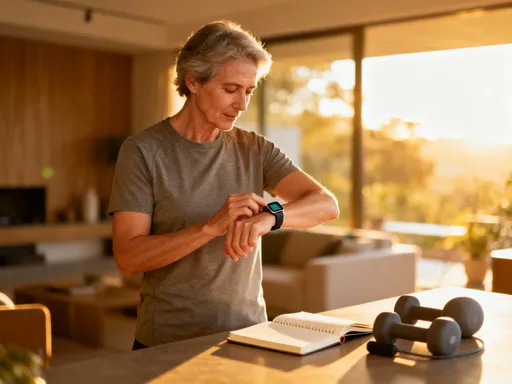
Tracking progress helped maintain motivation, but I shifted my focus from appearance to how I felt. Instead of only looking in the mirror, I paid attention to how my clothes fit, my energy levels, and subtle skin changes—like smoother texture, reduced redness, and a more even tone. I took monthly photos under the same lighting to observe gradual improvements. Journaling also helped; I noted how I felt after each session—calmer, clearer, more centered. These non-scale victories reinforced the deeper value of movement beyond aesthetics.
Beyond the Surface: Long-Term Wellness as True Beauty
Over time, my relationship with skincare evolved. I still use moisturizer and sunscreen, but I no longer rely on them as the sole solution. I’ve come to understand that true radiance comes from a body that is well-nourished, well-rested, and well-moved. Exercise didn’t just change my skin—it changed my mindset. I feel stronger, more capable, and more connected to my body. That inner confidence radiates outward in a way that no highlighter or filter can replicate.
This journey taught me that beauty isn’t something to be applied—it’s something to be lived. When we move with kindness and consistency, we send a message to ourselves: I am worth the effort. The glow I see now isn’t just from increased blood flow or reduced inflammation; it’s from knowing I’m caring for myself in a holistic, sustainable way. It’s the quiet pride of choosing health over quick fixes, presence over perfection.
Skincare isn’t just what you apply—it’s how you live. Movement is not a shortcut; it’s a lifelong commitment to well-being. And while the mirror may reflect a clearer complexion, the real transformation is felt from within. When you make space for regular exercise, you’re not just investing in your skin—you’re investing in your vitality, your resilience, and your long-term health. That’s the kind of glow that lasts.