Why I Finally Found Calm Through This Simple Qigong Routine
For years, I struggled with constant fatigue and low energy, no matter how much I slept. I tried workouts, diets, even meditation apps—but nothing clicked. Then I stumbled upon qigong, an ancient Chinese movement practice that felt different from day one. It wasn’t intense or complicated, just slow, mindful motions that actually left me feeling recharged. What surprised me most? The changes started within weeks. This is the honest story of how a gentle daily exercise program transformed my wellness—naturally and effectively.
The Burnout That Wouldn’t Quit
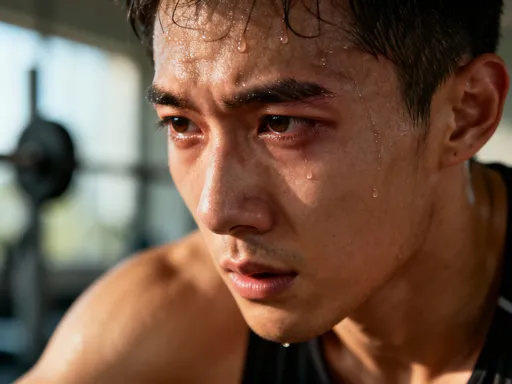
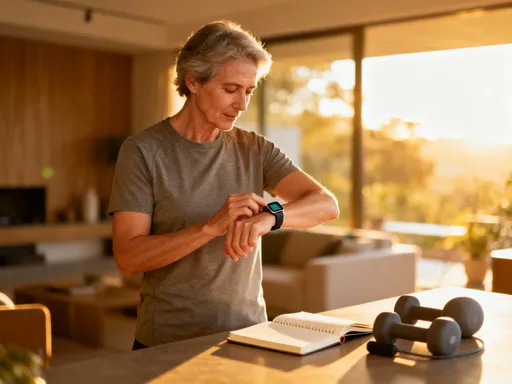
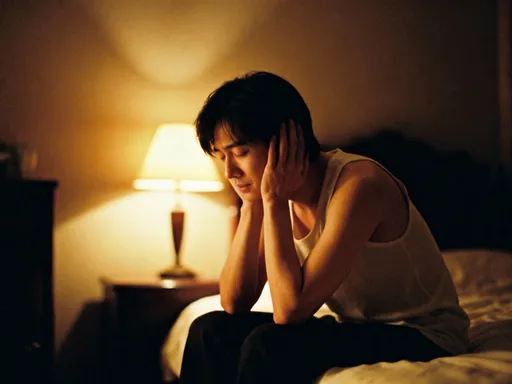
Modern life often equates wellness with effort—more reps, faster runs, stricter diets. For years, this was my approach. I believed that if I pushed hard enough at the gym or followed the latest clean-eating trend, I would finally feel energized. But the truth was the opposite: the more I chased energy, the more it slipped away. Mornings were a battle. Even after eight hours of sleep, I woke with a dull heaviness, as if my body were dragging through wet sand. Coffee helped for a few hours, but by mid-afternoon, I’d hit a wall—brain fog, irritability, and an urge to collapse on the couch.
What I didn’t realize at the time was that I was stuck in a cycle of overstimulation and under-recovery. High-intensity workouts, while beneficial for some, were placing additional stress on a nervous system already on high alert. My body was constantly in “fight or flight” mode, with elevated cortisol levels and little time to rest and repair. I was treating my body like a machine that needed fuel and maintenance, but ignoring the deeper need for balance and regulation.
The gap between conventional fitness and true energy restoration became clear only in hindsight. Exercise should support vitality, not deplete it. Yet, many popular routines prioritize output over sustainability. They don’t account for the cumulative toll of work stress, digital overload, or poor sleep quality. I was doing everything “right” by modern standards, but my body was signaling that something fundamental was missing—a way to calm the internal storm and restore natural rhythm.
Discovering Qigong: Not Just Another Trend
The turning point came not in a fitness studio or wellness retreat, but during a quiet conversation with an older neighbor. She mentioned how she’d managed her chronic back pain and anxiety not with pills or intense therapy, but with a daily qigong practice. I’d heard the term before—often lumped in with yoga or meditation—but I’d dismissed it as another new-age fad. Still, something about her calm demeanor and steady energy made me curious.
Qigong, I learned, is a traditional Chinese practice with roots stretching back thousands of years. The word itself combines “qi” (vital energy) and “gong” (cultivation or skill), meaning “energy cultivation.” Unlike high-impact workouts, qigong focuses on slow, deliberate movements coordinated with breath and mental focus. It’s not about building muscle or burning calories, but about restoring harmony within the body’s internal systems.
What sets qigong apart from other movement practices is its accessibility. While yoga often requires flexibility and specific postures, and tai chi involves flowing sequences that can take years to master, qigong is simple by design. Many foundational exercises can be done standing, sitting, or even lying down. There’s no need for special equipment or a quiet room—just a few minutes and the willingness to pay attention. More importantly, it doesn’t rely on belief or mysticism. The benefits come not from chanting or spiritual dogma, but from the measurable effects of breath, movement, and awareness on the nervous system.
Why Science Is Catching Up to Ancient Wisdom
At first, I was skeptical. Could gentle swaying and deep breathing really make a difference? But as I began to read more, I found that modern science was starting to validate what traditional practitioners had known for centuries. Studies published in journals like the Journal of Alternative and Complementary Medicine and Frontiers in Psychology have shown that regular qigong practice is associated with reduced levels of cortisol, the primary stress hormone. This means the body spends less time in survival mode and more time in rest-and-digest mode, which is essential for healing and energy renewal.
One of the most compelling findings is qigong’s impact on the parasympathetic nervous system. This branch of the autonomic nervous system is responsible for calming the body after stress. Research indicates that slow, rhythmic movements combined with diaphragmatic breathing activate this system more effectively than passive rest alone. In practical terms, this translates to lower heart rate, improved digestion, and a greater sense of calm—exactly what I had been missing.
Additional studies have linked qigong to measurable improvements in sleep quality, mental clarity, and even immune function. A 2013 meta-analysis of 77 randomized controlled trials found that qigong significantly reduced inflammation markers in the body, which are associated with chronic fatigue, joint pain, and mood disorders. While no single practice is a magic bullet, the consistency of these findings suggests that qigong offers real, physiological benefits—not just placebo effects.
What’s particularly encouraging is that these benefits are accessible with minimal time investment. Most studies show positive changes within eight to twelve weeks of practicing just 20 minutes a day. This isn’t about dramatic transformation overnight, but about gradual, sustainable improvement—the kind that builds resilience over time.
My First 7 Days: Skepticism to Surprising Shifts
I started small, committing to just ten minutes each morning. I followed a basic routine: five minutes of standing meditation, two minutes of arm waves, and three minutes of abdominal breathing. The first day felt awkward. Standing still, focusing on my breath, and moving my arms in slow arcs—it all seemed too simple to be effective. I kept waiting for something to “happen,” but nothing dramatic did. Still, I reminded myself that this wasn’t about instant results.
By day three, I noticed subtle changes. My hands felt warm, almost tingling, especially when I held them in front of my body during the arm wave exercise. My breath, usually shallow and quick, began to deepen naturally. I wasn’t forcing it—just allowing it to expand as I moved. Mornings still weren’t easy, but the crushing fatigue felt slightly lighter, as if a layer of tension had been lifted.
On day five, something shifted emotionally. I woke up without the usual knot of anxiety in my stomach. There was no grand epiphany, just a quiet sense of steadiness. At work, I caught myself pausing before reacting to a stressful email—something I wouldn’t have done a week earlier. The afternoon crash, which used to hit like clockwork at 3 p.m., was less severe. I still reached for tea, but not out of desperation.
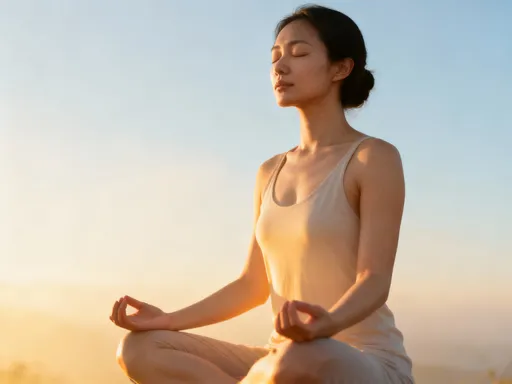
By the end of the week, I wasn’t “fixed,” but I felt different. Not energized in a jumpy, caffeinated way, but grounded. There was a new awareness in my body—a sense of presence I hadn’t experienced in years. I realized that qigong wasn’t about adding more to my day, but about creating space within it. The awkwardness hadn’t disappeared, but it no longer mattered. I was beginning to trust the process.
The Core Routine That Actually Works
After the first week, I refined my practice into three core exercises that became the foundation of my daily routine. These movements are simple, repeatable, and designed to work together to balance energy, improve posture, and calm the mind. I do them every morning, usually before breakfast, in loose clothing and bare feet. A quiet corner of my living room is all I need—no mat, no special gear.
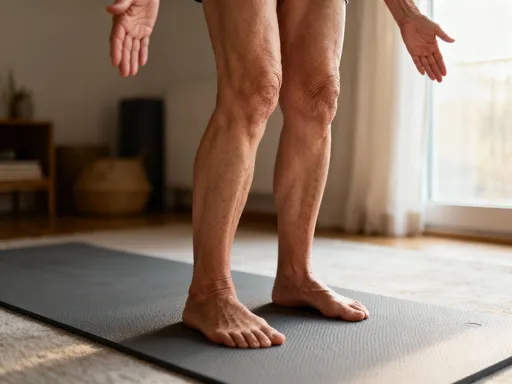
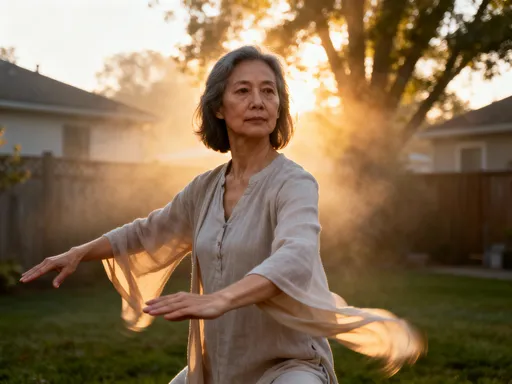
The first exercise is Standing Like a Tree, also known as Zhan Zhuang. I stand with my feet shoulder-width apart, knees slightly bent, arms rounded in front of me as if hugging a large ball. My gaze is soft, my jaw relaxed. I focus on my breath, inhaling deeply into my lower abdomen and exhaling slowly. The goal isn’t to hold a perfect pose, but to cultivate stillness and body awareness. Even two minutes of this can shift my entire state—slowing my thoughts and grounding my energy.
The second movement is Lifting the Sky. I begin with hands at my lower abdomen, then slowly raise them in front of my body, palms up, as if lifting an invisible weight. At shoulder height, I turn my palms outward and continue lifting overhead, stretching gently. As I do, I inhale deeply. Then, with palms facing down, I lower my arms in a wide arc, exhaling fully. This motion encourages upward energy flow and helps align my spine. It also opens the chest, counteracting the slouched posture I’d developed from hours at a desk.
The third exercise is Separating Heaven and Earth. I stand with feet rooted, one hand rising above my head, palm up, while the other hand sinks below my waist, palm down. Then, with a slow twist of the torso, I switch sides—lowering the top hand and raising the bottom one. The movement is gentle, coordinated with the breath: inhale as the hand rises, exhale as it descends. This exercise promotes balance and harmony, both physically and mentally. It also engages the core and improves spinal mobility.
I spend about four minutes on each exercise, totaling 12 minutes. Some days I extend it; others, I shorten it. The key is consistency, not duration. Over time, these movements have become second nature—less something I “do” and more a way I begin my day.
Beyond the Mat: How Qigong Changed Daily Living
The most unexpected benefit of qigong has been its ripple effect on the rest of my life. It’s not just about how I feel during the practice, but how it changes my experience of everyday moments. At work, I’ve noticed a sharper focus. Tasks that used to feel overwhelming now seem manageable. I catch myself breathing more deeply during meetings, and I’m less reactive when plans change unexpectedly.
One of the most valuable shifts has been in how I respond to stress. Before, tension would build silently—tight shoulders, clenched jaw—until it erupted as frustration or fatigue. Now, I notice those signals earlier. A few slow arm waves at my desk or a minute of abdominal breathing can prevent a full-blown stress response. It’s like having a reset button I didn’t know existed.
Even my digestion has improved. I used to struggle with bloating and discomfort, especially after lunch. Now, I take a few minutes after eating to stand quietly and breathe into my abdomen. This simple act seems to signal my body to shift into rest-and-digest mode, improving digestion and reducing discomfort. I’ve also found that small qigong movements throughout the day—like lifting the sky during a break—help me stay alert without reaching for coffee.
Perhaps the most profound change is in my relationship with my body. I no longer see it as a machine to be pushed, but as a sensitive system that responds to care and attention. Qigong has taught me to listen—to notice when I’m tired, when I’m tense, when I need to slow down. This awareness hasn’t eliminated challenges, but it has given me tools to meet them with more grace and resilience.
Making It Stick Without the Hype
Of course, maintaining a daily practice hasn’t always been easy. There are days when I’m too busy, too tired, or simply not in the mood. The biggest barriers aren’t physical—they’re mental. The voice that says, “You don’t have time,” or “This won’t make a difference,” still shows up. But over time, I’ve learned to work with these obstacles, not against them.
One strategy that helped was pairing qigong with an existing habit—morning tea. While the kettle boils, I do a few minutes of standing meditation or arm waves. It’s not about perfection; even three minutes counts. I also set a gentle phone reminder, not as a demand, but as an invitation. On days when I skip it, I try not to judge myself. The goal isn’t to create another source of guilt, but to nurture a sustainable practice.
I’ve also had to let go of the idea that qigong should “fix” everything. It’s not a cure for chronic illness, nor does it replace medical care. But it is a powerful support system—a way to build resilience from within. The changes are subtle, but cumulative. Over months, the small moments of calm add up to a more balanced life.
What’s kept me going is the realization that this isn’t about performance. There’s no scorecard, no app to track my progress. It’s about showing up for myself, gently and consistently. Qigong has taught me that wellness isn’t found in extreme measures, but in the quiet, daily acts of care.
Qigong didn’t fix everything overnight—but it gave me something rare: a reliable way to reset my system without draining it further. Unlike trends that promise transformation through exhaustion, this practice builds energy gently and steadily. It’s not about achieving perfection in form, but cultivating presence in motion. For anyone feeling worn down by modern life, this traditional exercise program offers a quiet yet powerful path back to balance. And the best part? It’s always there, ready whenever you are.