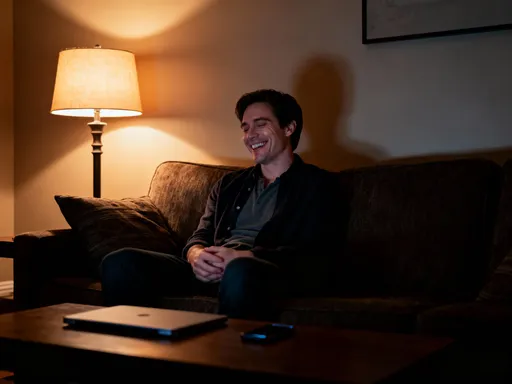
More Than Just Inbox Zero: How Email Tools Gave Me Back My Evenings
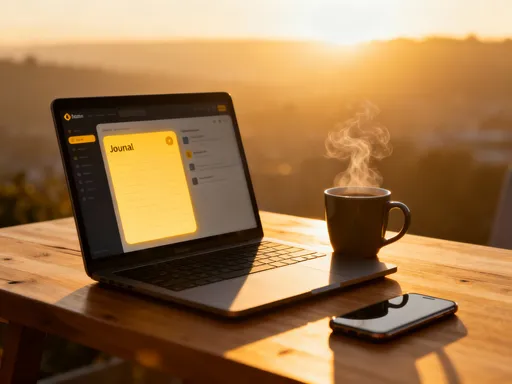
Remember when evenings were for unwinding, not answering emails? I used to lie in bed, scrolling through work messages, feeling guilty if I didn’t reply. My inbox wasn’t just a tool—it was a source of stress. Then I tried smarter email management tools, not just to organize, but to reclaim time, calm, and connection. It wasn’t about efficiency for the sake of productivity. It was about creating space to breathe, be present with family, and finally feel done at the end of the day.
The Night My Phone Buzzed One Too Many Times
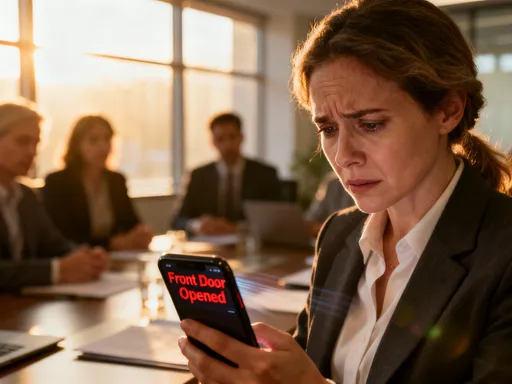
It was a Tuesday. My daughter was halfway through telling me about her science project—a volcano made from clay and baking soda—when my phone lit up. Not a text. Not a call. An email. From my boss. Subject line: Quick question—can you look at this? I smiled at my daughter, excused myself, and stepped into the kitchen. Just a minute, I told her. Just need to check something.
But that minute turned into ten. Then twenty. By the time I came back, she was quiet, coloring in silence at the table. My son asked, Are you working again? I nodded, trying to explain it wasn’t a big deal. But it was. That moment cracked something open in me. I realized I wasn’t just checking email—I was constantly on, like a light left burning in the background of my life. And it wasn’t just that night. It was every night. A work thread here, a weekend follow-up there. The boundaries had blurred so slowly, I hadn’t noticed they were gone.
That’s when I started to see my inbox for what it had become: not a tool, but a taker. It took my attention, my calm, my ability to just be with my family. And the worst part? I thought I had to earn peace by being always available. But peace shouldn’t be earned. It should be protected.
From Overwhelm to Control: Finding the Right Tools
I wasn’t looking to become a tech expert. I didn’t want to learn coding or dive into complex settings. I just wanted to stop feeling like my email owned me. So I started small—looking for tools that felt simple, intuitive, and actually helped instead of adding more noise. And honestly? I was surprised by how much a few smart features could change everything.
The first thing I tried was a focused inbox. At first, I didn’t even know what that meant. But it turned out to be simple: my email app started sorting messages into two tabs—Important and Other. No more scrolling through newsletters, order confirmations, and promotional offers to find the one message from my sister or my child’s teacher. Suddenly, what mattered rose to the top. It was like someone finally handed me a filter for the chaos.
Then I discovered smart scheduling. I started using a feature that lets me write an email and have it sent later—say, at 9 a.m. the next day. At first, I used it because I’d finish work late and didn’t want to bother people at night. But then I realized something deeper: it wasn’t just about politeness. It was about reclaiming my time. I could write what I needed to say, hit schedule, and walk away. No guilt. No pressure. The message would go out when it made sense—during business hours—not when I happened to remember it at 10 p.m.
I also started using filters and labels to automatically sort incoming mail. Bills go to one folder. School updates go to another. Promotions? Straight to a folder I check once a week. It took me less than 20 minutes to set up, and suddenly, my inbox wasn’t a dumping ground anymore. It was a place I could actually manage. The mental load dropped. I stopped feeling like I was drowning in messages because I could finally see the surface again.
Creating Boundaries That Actually Work
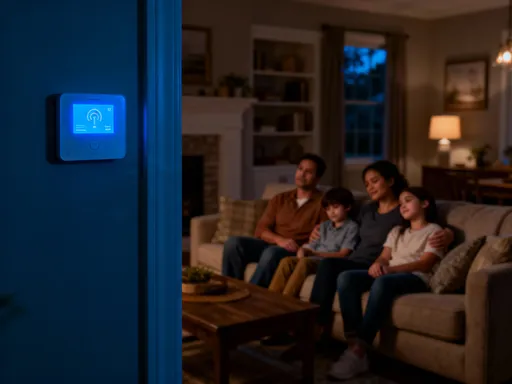
Here’s what I didn’t expect: the biggest change wasn’t in my inbox. It was in my mind. Once I started using tools like do not disturb modes and automated rules, I began to feel something I hadn’t in years—relief. Real, tangible relief. Because now, when I close my laptop at 7 p.m., I know my email will wait. It won’t buzz. It won’t light up. It won’t pull me back in.
I set up a rule that after 7:30 p.m., new emails don’t push to my phone unless they’re from my family or marked as urgent. At first, I worried I’d miss something important. But after a week, I realized—nothing urgent ever came that couldn’t wait until morning. And if it truly was urgent, someone would call. The world didn’t fall apart because I wasn’t instantly responsive. In fact, it got better.
My husband noticed. You’re not checking your phone during dinner anymore, he said one night. And it was true. I wasn’t jumping up to “just check” something. I wasn’t reading emails while helping with homework. I wasn’t lying in bed, replying to messages while pretending to listen to my husband talk about his day. I was finally there.
The emotional shift was huge. I stopped feeling guilty for not replying immediately. I stopped feeling anxious that I was falling behind. Instead, I started feeling… in control. Not because I answered every email fast, but because I decided when—and if—I wanted to engage. That’s power. And it didn’t come from working more. It came from working smarter, with tools that respected my time as much as my job did.
More Time for What Feels Human Again
When I first started using these tools, I thought the benefit would be efficiency—getting through emails faster. But the real gift wasn’t speed. It was space. Space to breathe. Space to think. Space to do things that made me feel like me again.
One evening, instead of scrolling through my inbox, I sat on the couch with my daughter and read a chapter of her favorite book. No phone in my hand. No mental checklist running in the background. Just us. She leaned into me, and halfway through, she said, I like when you’re not working. My heart cracked a little.
I started cooking again—not just throwing something together, but actually enjoying it. I’d put on music, pour a glass of water, and take my time. No rushing to check my phone between steps. I even started baking on weekends. Nothing fancy—banana bread, muffins, cookies. But the smell filling the house, the kids sneaking bites of dough, the quiet joy of creating something with my hands—it felt like a kind of healing.
I found myself sitting on the porch in the morning with a cup of tea, just watching the birds. No email. No to-do list. Just stillness. And it wasn’t lazy. It was necessary. Because in those quiet moments, I remembered what it felt like to be present. To not be pulled in ten directions. To feel whole.
That’s when it hit me: technology should serve life, not steal from it. And for years, mine had been doing the opposite. But now? Now it was helping me get my life back.
A Calmer Mind, A Fuller Life
I didn’t expect email tools to change my mental health. But they did. Within a few weeks of using focused inbox, scheduling, and quiet hours, I noticed something subtle but powerful: I was less anxious. Not just about work, but in general. The constant hum of what did I miss? that used to run in the background of my mind—gone.
I started sleeping better. No more lying awake, replaying emails I’d sent or worrying about ones I hadn’t answered. My body began to trust that it was okay to rest. That work could wait. That I was allowed to stop.
And my focus improved. When I was with my kids, I was really with them. When I was cooking, I wasn’t mentally drafting replies. When I was talking to my husband, I wasn’t half-listening while checking my phone. I was present. And presence, I’ve learned, is its own kind of magic.
There’s a connection between digital peace and emotional balance that I didn’t understand before. When our minds are cluttered with constant notifications and unfinished tasks, we can’t relax. We can’t connect. We can’t even enjoy the good moments fully. But when we create space—when we quiet the noise—we make room for joy, for love, for real living.
Managing my email mindfully didn’t just reduce stress. It improved my whole quality of life. I felt more like myself. More grounded. More capable of handling whatever the day brought—because I wasn’t starting it already exhausted.
Small Changes, Big Ripples at Home
What surprised me most was how my changes started to affect the whole family. My kids noticed I was more patient. My husband said I seemed lighter, like a weight had been lifted. And slowly, our home became a calmer place.
One night, my son asked, Why don’t you take your phone to your room anymore? I explained that I wanted to be more present, that I didn’t want work to steal my evenings. He nodded and said, That’s good. You’re less stressed. I almost cried.
But it went further. Because I was modeling a healthier relationship with technology, my kids started to understand that it’s okay to unplug. They saw me choose a book over a screen. They saw me put my phone away during meals. And slowly, they began doing the same. We started having more real conversations—about school, about feelings, about dreams. Not because we forced it, but because there was space for it.
My daughter even started leaving her tablet in the living room at night. I don’t need it, she said. I’d rather read or draw. That moment filled me with pride. Not because she was being “good,” but because she was learning balance. And she learned it by watching me choose it first.
That’s the ripple effect I didn’t see coming. One small change in how I managed my email didn’t just improve my life—it created space for everyone in my home to breathe a little easier, connect a little deeper, and live a little fuller.
Not Perfection—But Peace
I’ll be honest: I don’t have inbox zero. And you know what? I don’t care. That was never the goal. The goal was peace. And I’ve found it—not in perfection, but in progress. Not in doing everything, but in doing what matters.
Some days, I still get behind. Some weeks, work gets busy. But now I have tools and habits that help me catch up without burning out. I don’t panic when I see 50 new emails. I know I can sort them, schedule replies, and let the rest wait. I’ve learned to trust the system—and myself.
My advice? Start small. Pick one tool. Try scheduled send. Set up a do not disturb time. Create one filter to sort your bills. Don’t try to fix everything at once. Just take one step. And then another.
And most importantly, pay attention to how you feel. Not how much you get done, but how light you feel, how present you are, how much more you’re able to enjoy your life. That’s the real measure of success.
You don’t need to be perfect. You just need to be kind to yourself. And sometimes, the most powerful act of self-care is simply saying, My time matters. My peace matters. And I’m not going to give them away to an inbox.
Technology That Fits Your Life, Not Controls It
Looking back, I realize the win wasn’t just about managing email. It was about reclaiming my time, my attention, my presence. It was about remembering that I’m not a machine. I’m a person—someone who loves, who creates, who needs rest, who deserves calm.
The best technology doesn’t shout. It doesn’t demand. It doesn’t guilt-trip you into replying at midnight. The best technology whispers. It supports. It makes space. It helps you live your life without getting in the way.
And that’s what these tools have done for me. They haven’t made me more productive for the sake of output. They’ve made me more human. More connected. More at peace.
So if you’re still letting your inbox steal your evenings, your focus, your joy—know this: it doesn’t have to be that way. You can change it. You can set boundaries. You can use technology as a helper, not a hijacker.
Start today. Pick one small step. Protect your time. Protect your peace. Because you don’t need to earn a calmer life. You’re already worthy of it. And sometimes, all it takes is a few smart tools and the courage to say: This is mine. My time. My family. My life. And I’m taking it back.