I used to dread mornings — until my robot vacuum started doing the first chore of the day
Mornings used to be chaotic — stumbling over toys, stepping on crumbs, rushing to clean before anyone saw the mess. I felt like I was starting every day behind. Then I let a smart cleaning device take on the first job of the day. It wasn’t about luxury; it was about peace. Now, I wake up to a clean floor, a quiet house, and a moment of calm. That small change didn’t just tidy my home — it reshaped my mornings, my mood, and my sense of control. This is what smart living really feels like.
The Morning Chaos No One Talks About
Let’s be honest — most of us don’t wake up to soft music and golden sunlight. We wake up to the dog barking, the toddler crying, and a trail of crumbs leading from the kitchen like a sad treasure map to last night’s snack. I used to dread opening my eyes because I already knew what I’d see: a living room scattered with toys, dust bunnies doing yoga under the couch, and a faint crunch underfoot the second I stepped out of bed. It wasn’t the big stuff that wore me down — not the laundry or the dinner cleanup — it was this daily visual tax, this silent guilt that said, “You haven’t even started, and you’re already behind.”
And I know I’m not alone. So many women I talk to — moms, wives, caregivers — carry this invisible weight. We don’t mind working hard. We just hate starting the day feeling defeated. Imagine trying to make breakfast while stepping over Legos, or serving pancakes with one eye on the dusty baseboards you know your mother-in-law will notice. That mess isn’t just physical — it’s emotional. It whispers that you’re not doing enough, even when you’re doing everything. The truth is, a cluttered floor doesn’t just look bad — it feels heavy. It steals your focus before your coffee is even poured.
I remember one morning when my daughter spilled her cereal, and instead of comforting her, I snapped. Not because of the spill — because I’d already vacuumed that morning, and now it was ruined. That’s when I realized: I wasn’t mad at her. I was exhausted by the cycle. The constant tidying, the invisible labor, the feeling that no matter how much I did, the house would never stay clean. I wanted to enjoy my family, not police the floors. I needed a shift — not in effort, but in strategy.
How a Simple Device Changed My Wake-Up Routine
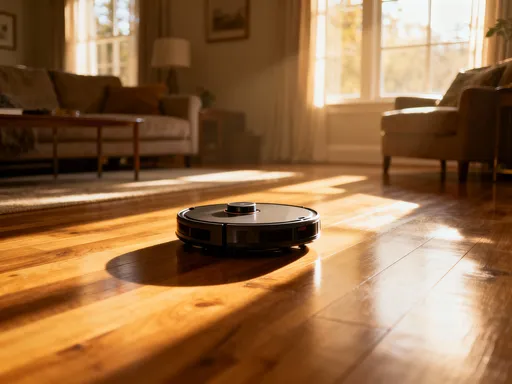
The change didn’t come from a new cleaning schedule or a motivational podcast. It came from a small, round device that looks like a flying saucer from a low-budget sci-fi movie. I’ll admit — I was skeptical. Robot vacuums felt like toys for people with too much money and too little to do. But after one friend mentioned how hers ran every morning at 6:30 a.m., I decided to try it. Not because I wanted a gadget — because I wanted my mornings back.
I set it up one Sunday night, scheduled it to run at 6:15 a.m., and went to bed not expecting much. But the next morning, I walked into the living room — and stopped. The floor was clean. Not “someone quickly swept” clean, but genuinely clear, with dust and debris gone, even from the corners. My first thought was disbelief. My second? Relief so deep it felt like a physical release. I didn’t have to rush around hiding messes. I didn’t have to apologize to guests in my mind before they even arrived. I could just… breathe.
That first clean floor didn’t just change the room — it changed my rhythm. I made coffee without rushing. I sat with my daughter on the clean playmat and actually watched her build her block tower instead of mentally cataloging chores. The robot didn’t do all the cleaning — I still handle spills, deep cleans, and bathrooms — but it took the first shift. And that made all the difference. It wasn’t about being lazy. It was about being strategic. I stopped fighting the same battle every morning and started winning it before I even got out of bed.
Waking Up to Clean: The Psychological Ripple Effect
Here’s something no one tells you: a clean floor in the morning is a mood booster. It’s not magic — it’s psychology. When you wake up to order, your brain registers safety, control, and calm. It’s like your home is saying, “You’ve got this.” I noticed it within days. I was less reactive. When my son spilled his juice, I didn’t sigh and mentally add “mop kitchen” to my list — I just cleaned it up, calmly, without the weight of everything else pressing down.
That small win — the clean floor — created a ripple. I had more patience. I smiled more at breakfast. I even started doing five minutes of stretching, something I’d been “too busy” for for years. Because here’s the thing: time isn’t just about minutes. It’s about mental space. When you’re not carrying the burden of unfinished tasks, you have room to breathe, to be present, to enjoy the little moments. My toddler crawling on a clean mat, my dog napping in a sunspot, my husband reading the news without tripping over toys — these moments felt richer because I wasn’t distracted by the mess.
And it wasn’t just me. My kids noticed the difference too. “The robot did it!” my daughter would say, pointing proudly at the clean floor. There was a sense of shared pride, not pressure. The house felt cared for, not criticized. I realized that cleanliness isn’t just about appearance — it’s about emotional safety. A tidy space says, “This is a place where we can relax, play, and be together.” And when that space is ready for you in the morning, it sets the tone for the whole day.
Making It Work: How to Set Up Your Device for Morning Success
If you’re thinking, “That sounds nice, but I’m not tech-savvy,” I hear you. I was right there with you. The good news? Setting up a robot vacuum for morning cleaning is easier than most people think. You don’t need to be an engineer. You just need a few smart choices. First, pick a quiet model. You don’t want it roaring like a jet engine at 6 a.m., waking the baby or startling the dog. Look for one with a “quiet mode” or low decibel rating — many modern ones are whisper-quiet.
Next, schedule it wisely. I set mine for 6:15 a.m. — early enough to finish before the house wakes up, but not so early that it’s running in total silence, which can feel eerie. I also use the app to set “no-go zones” around my toddler’s play area and the dog’s bed, so the robot doesn’t bump into them or suck up small toys. It’s like giving it a map of the house — simple, but powerful.
Place the charging dock in a central, open area — not tucked in a corner behind the couch. Mine is in the hallway, where it can easily access the living room, kitchen, and dining area. And don’t forget to empty the dustbin regularly — I do it every other day, and it takes less than a minute. Some models even have self-emptying bases, which I’ll admit, felt like overkill at first, but now I see the value. It’s not about laziness — it’s about sustainability. The easier it is to maintain, the more likely you are to stick with it.
One tip: pair the cleaning with morning light. I opened the blinds slightly so that when the robot finishes, the sun is coming in, and the clean floor sparkles. It’s a small thing, but it makes the house feel alive and welcoming. And if your schedule changes — say, on weekends or during holidays — just adjust the time in the app. It takes two taps. No stress, no hassle. This isn’t about perfection — it’s about making life easier, one quiet morning at a time.
More Than Floors: How Smart Cleaning Frees Up Mental Space
We talk a lot about time management, but what about mental management? Our brains aren’t built to hold endless to-do lists. Every time you see a mess, your brain logs it: “Vacuum later. Wipe counter. Pick up shoes.” These micro-tasks pile up, creating what psychologists call “cognitive load” — mental clutter that drains your focus and energy. When you automate one of those tasks, you’re not just cleaning the floor — you’re clearing your mind.
Since I started using the robot, I’ve noticed something surprising: I remember things better. I packed my son’s lunch without last-minute panic. I remembered to call the dentist. I even had the mental space to start journaling again. It’s not that I have more time — it’s that I’m not wasting energy on mental housekeeping. That constant background noise of “I should clean” is gone. Instead, I can focus on what matters — my work, my family, my own well-being.
And those saved minutes? They add up. Ten minutes here, five there — that’s 30 minutes a week I can spend reading, stretching, or just sitting with my tea. That’s real quality of life. The robot didn’t give me a free pass — I still clean, I still cook, I still parent. But it gave me back my mornings. It shifted the balance. Instead of starting the day in deficit, I start in calm. And that changes everything.
Think of it like this: your mind is a phone. If you have 20 apps running in the background, your phone slows down. When you close the ones you don’t need, it runs faster. The robot vacuum is like closing that “clean the floor” app. It’s still there when you need it, but it’s not draining your battery. You’re more responsive, more present, more you.
Family Life, Simplified: When Everyone Benefits
One of the most unexpected benefits? Less tension at home. I used to nag — not because I wanted to, but because I felt responsible. “Can someone pick up the toys?” “Did you spill crumbs again?” “Why is the floor always dirty?” It created a cycle of resentment — not because anyone was lazy, but because the work wasn’t visible, and therefore, not shared.
Now, the robot runs every morning, and the floor is clean when everyone wakes up. No one has to “do the first job.” But here’s the magic: because the space feels cared for, everyone treats it better. My kids put toys away more often. My husband wipes the counter without being asked. The dog doesn’t track mud as much — okay, maybe that’s wishful thinking — but the point is, a clean environment encourages care. It’s not about perfection — it’s about respect.
I’ve also started using the robot as a teaching tool. My daughter “helps” by pressing the clean button or guiding it around obstacles. It’s fun for her, and it teaches responsibility in a low-pressure way. She sees cleaning as part of life, not a chore someone else has to do. And for me, it’s a reminder that technology isn’t about replacing effort — it’s about redistributing it. We all do our part, but now the load feels lighter, fairer, more balanced.
And let’s be real — peace at home starts with peace in the person who manages it. When I’m not exhausted by invisible labor, I’m a better mom, a better partner, a better version of myself. The robot didn’t fix everything — but it gave me the breathing room to fix what matters.
Redefining Smart Living: Peace, Not Perfection
We hear a lot about “smart homes” — voice-controlled lights, fridges that order milk, cameras that watch your dog. But real smart living isn’t about flashy gadgets. It’s about thoughtful support. It’s about using technology to protect your peace, honor your time, and create space for what you love. For me, that’s waking up to a clean floor, a quiet house, and the freedom to start the day on my terms.
This isn’t about laziness. It’s about wisdom. It’s about recognizing that your energy is precious — and choosing where to spend it. I’d rather spend mine on bedtime stories, on deep conversations, on quiet mornings with my tea, than on fighting dust bunnies at dawn. The robot vacuum didn’t make me lazier — it made me more present.
So if you’re tired of starting your day in scramble mode, of feeling like the house is always one step ahead of you, I want to invite you to imagine something different. Imagine waking up to a clean floor. Imagine having that one less thing to worry about. Imagine using those saved minutes — and that saved mental energy — to do something that fills your cup. Maybe it’s five minutes of stretching. Maybe it’s a real conversation with your child. Maybe it’s just sitting in silence, sipping your coffee, feeling calm.
That’s what smart living feels like. Not perfection. Not luxury. Just peace. And it’s closer than you think.