Beyond Screen Time: How Digital Tools Helped Me Reclaim My Days Working from Home
Working from home used to feel like being constantly on—laptop open, notifications buzzing, and my sense of calm slipping away. I wasn’t just working more; I was living through my screen. But then I started using simple digital tools not to track time, but to rebuild my routine, protect my focus, and rediscover balance. It wasn’t about strict limits—it was about creating space for real life. This is how screen time management quietly transformed my workday, my energy, and my sense of control.
The Invisible Burnout: When Work Follows You Home
When I first started working from home, I thought I had it all—no commute, flexible hours, the comfort of my own kitchen just steps away. But slowly, something shifted. The flexibility I once loved began to feel like a trap. My workday didn’t end at five. It lingered into dinner, crept into bedtime, and showed up again the next morning before I even brushed my teeth. I found myself checking emails during family time, responding to messages while helping with homework, and lying in bed with my phone, scrolling through unread threads. The line between work and life didn’t just blur—it disappeared.
I didn’t feel productive. I felt scattered. My energy dipped by mid-afternoon, and my focus was fragile, like a candle flickering in the wind. I was always doing something, but never fully present in anything. At first, I blamed myself. Maybe I wasn’t disciplined enough. Maybe I needed to try harder. But the truth was, I wasn’t lazy—I was overwhelmed by a system that never taught me how to stop. The tools I used to work were the same ones pulling me into constant reactivity. My screen wasn’t just a window into my job; it had become a cage that kept me from living.
It took a quiet moment—one where I realized I couldn’t remember the last time I finished a book or had a conversation without glancing at my phone—to understand I was experiencing a kind of burnout that doesn’t always show up with dramatic symptoms. It wasn’t panic or breakdowns. It was the slow erosion of joy, presence, and peace. And the most surprising part? It wasn’t the amount of work that drained me. It was the lack of boundaries. Once I recognized that, I knew I didn’t need more willpower. I needed better support. And oddly enough, the solution came not from turning away from technology, but from using it more intentionally.
From Chaos to Clarity: Designing a Digital Routine
I started small. Instead of trying to overhaul my entire life, I opened my calendar app one Sunday evening and just looked at it. Not to plan, not to schedule, but to observe. What did my week actually look like? I noticed patterns I hadn’t seen before—times when I was most alert, moments when my energy dipped, and how often I jumped between tasks without finishing any of them. I realized I wasn’t managing my time; I was reacting to whatever popped up.
So I decided to design a routine that worked with my natural rhythm, not against it. I blocked out the first two hours of my morning for deep work—no meetings, no emails, just focused time on the most important task of the day. I used color-coded events in my calendar: blue for work, green for breaks, yellow for family time. I even scheduled time to walk the dog, call my mom, and just sit with a cup of tea. At first, it felt strange to treat personal time like a meeting. But soon, I noticed something shift. When a work request came in for 10 a.m., I could say, “I’m in a focus block then, but I can get back to you at 11.” It wasn’t rude—it was respectful, to myself and to others.
The calendar didn’t enforce discipline. It reflected my values. And that made all the difference. I stopped asking, “What should I do now?” every ten minutes. Instead, I could glance at the screen and trust the plan. Decision fatigue dropped. My focus improved. And for the first time in years, I felt like I had a say in how my day unfolded. The tool didn’t control me. It held space for me. And in that space, I began to breathe again.
Taming Notifications: Reclaiming Attention One Alert at a Time
Let me ask you something—when was the last time your phone was completely silent for an hour? Not vibrating, not buzzing, not flashing with a new message? For me, it had been years. My phone was like a needy roommate, constantly tapping me on the shoulder. A message from a colleague. A reminder about a meeting. A social media update. Each notification felt urgent, but most weren’t. And every time I picked up my phone, I lost my train of thought, had to reorient myself, and burned mental energy just to get back on track.
I realized I wasn’t managing my time—I was living in a state of constant interruption. So I made a simple change: I turned off every non-essential notification. No more pings for social media, news apps, or promotional emails. I kept only the essentials—texts from family, calls, and calendar alerts. Then I set specific times to check messages: once in the morning, once after lunch, and once in the evening. I used the “Do Not Disturb” mode during my focus blocks, and I turned off notifications on my work apps after 7 p.m.
At first, it felt uncomfortable. I worried I’d miss something important. I kept reaching for my phone out of habit. But within a few days, I noticed something remarkable. My mind felt clearer. I could read a full article without distraction. I finished tasks faster because I wasn’t switching contexts every five minutes. My attention, which had felt like sand slipping through my fingers, began to settle. I wasn’t just more productive—I was more present. And that presence spilled over into my personal life. I listened better. I laughed more. I stopped checking my phone during dinner. Taming notifications wasn’t about cutting off the world. It was about choosing when to connect—and when to be here, right now.
Screen Time as a Mirror: What My Usage Patterns Revealed
I used to think I had a good handle on how I spent my time online. But when I turned on the built-in screen time feature on my phone, I was stunned. The data didn’t lie. I was spending over three hours a day on email and messaging apps—not in long, focused sessions, but in short, fragmented bursts. I’d check a message, reply, get distracted by another, and before I knew it, an hour had passed. This wasn’t productivity. It was reactivity. I wasn’t in control; I was on autopilot.
Seeing the numbers was uncomfortable, but also freeing. It wasn’t about guilt or shame. It was about awareness. The screen time report became a mirror, showing me not just *how much* time I spent online, but *how* I was using it. I noticed spikes in usage during late afternoon—a time when my energy naturally dipped. Instead of taking a real break, I was numbing myself with mindless scrolling. I saw how often I picked up my phone out of habit, not need.
So I made changes based on what I saw. I scheduled two dedicated times to check email—once in the morning and once in the afternoon. I closed the app the rest of the day. I replaced the late-afternoon scroll with a 15-minute walk or a cup of herbal tea. I started using a simple breathing app for two minutes when I felt overwhelmed, instead of reaching for my phone. The tools weren’t punishing me. They were guiding me. And slowly, I shifted from managing time to managing intention. I wasn’t trying to cut screen time for the sake of it. I was making room for what mattered more—rest, focus, and real connection.
Building Rituals Around Tech: From Work Mode to Wind-Down Mode
One of the hardest things about working from home was knowing when to stop. There was no commute to signal the end of the workday, no office door to close. I’d often sit at my desk until dinner, still in work mode, mentally attached to unfinished tasks. I needed a way to transition, to tell my brain, “Work is done. It’s time to be home.” That’s when I started building small rituals using technology—not to keep me online, but to help me log off.
Every afternoon at 5:30, I open a simple journaling app and spend five minutes writing down three things I accomplished, one thing I’m letting go of, and one intention for the evening. It takes less than five minutes, but it creates closure. Then, I play a calming playlist on my smart speaker—something with soft piano or nature sounds. The music signals to my body and mind that it’s time to shift gears. I close my laptop, put my work notebook away, and charge my phone in the kitchen, not my bedroom.
I also brought back an old-school alarm clock. No more phone by my pillow. No more midnight scrolling. These rituals might seem small, but they add up. They create psychological boundaries that technology once erased. Tech isn’t the enemy. It’s about how we use it. Now, instead of feeling like I have to force myself to disconnect, it feels natural. The tools that once kept me tethered to work now help me step away from it. And that makes all the difference.
Involving the Household: Shared Routines for a Balanced Home
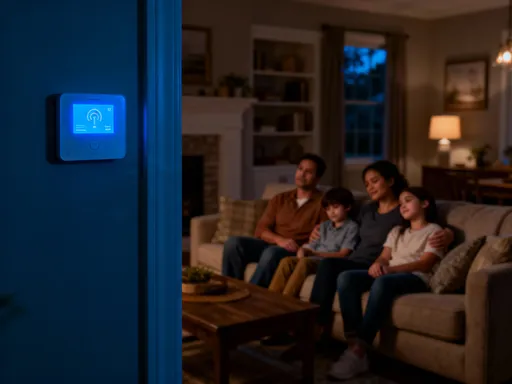
Working from home doesn’t just affect me—it affects everyone in the house. My partner was trying to focus on his own projects, the kids needed help with schoolwork, and we all wanted time together without distractions. We realized we needed a shared system, not just individual ones. So we started using a shared digital calendar where we could see each other’s focus times, meetings, and family activities. When I had a deep work block, he knew not to interrupt. When he was on a call, I respected his space. The kids even started recognizing the color codes—red meant “quiet time,” green meant “playtime.”
We also created “no-screen zones” during meals and after 8 p.m. Instead of everyone on their devices, we started having real conversations, playing board games, or just sitting together. We used a simple task app to manage household chores, so no one felt overwhelmed or resentful. On weekends, we’d spend 10 minutes together planning the week—not just work, but family dinners, walks, and downtime. It became a ritual we all looked forward to.
The most beautiful change? I started noticing when I was truly present. My daughter told me about her day without me glancing at my phone. My partner shared a story, and I actually listened. We laughed more. We argued less. Using technology together didn’t isolate us—it connected us. It wasn’t about banning screens. It was about creating space for togetherness. And that space became the most valuable part of our day.
The Real Reward: More Than Productivity—Regaining Presence
If you’d told me a year ago that digital tools could help me feel calmer, more focused, and more connected to my family, I might not have believed you. I used to think technology was the problem. But I’ve learned it’s not the tools themselves—it’s how we use them. When I started using technology with intention, everything shifted. I wasn’t just getting more done. I was living more fully.
The biggest change wasn’t in my productivity metrics. It was in the small moments I began to notice. Sunlight streaming through the kitchen window in the morning. The sound of my son laughing as he tied his shoes. A quiet cup of coffee without rushing to check my email. I started feeling like myself again—not a machine, not a multitasker, but a person with time, energy, and presence.
Screen time management didn’t give me a perfect life. Some days are still messy. Some days I fall back into old habits. But now I have tools and routines that help me reset. I’ve learned that freedom isn’t about doing everything. It’s about choosing what matters. And for me, what matters most is being here—fully, deeply, and without distraction. The screen didn’t disappear. But it no longer controls me. And that, more than anything, has changed my life.